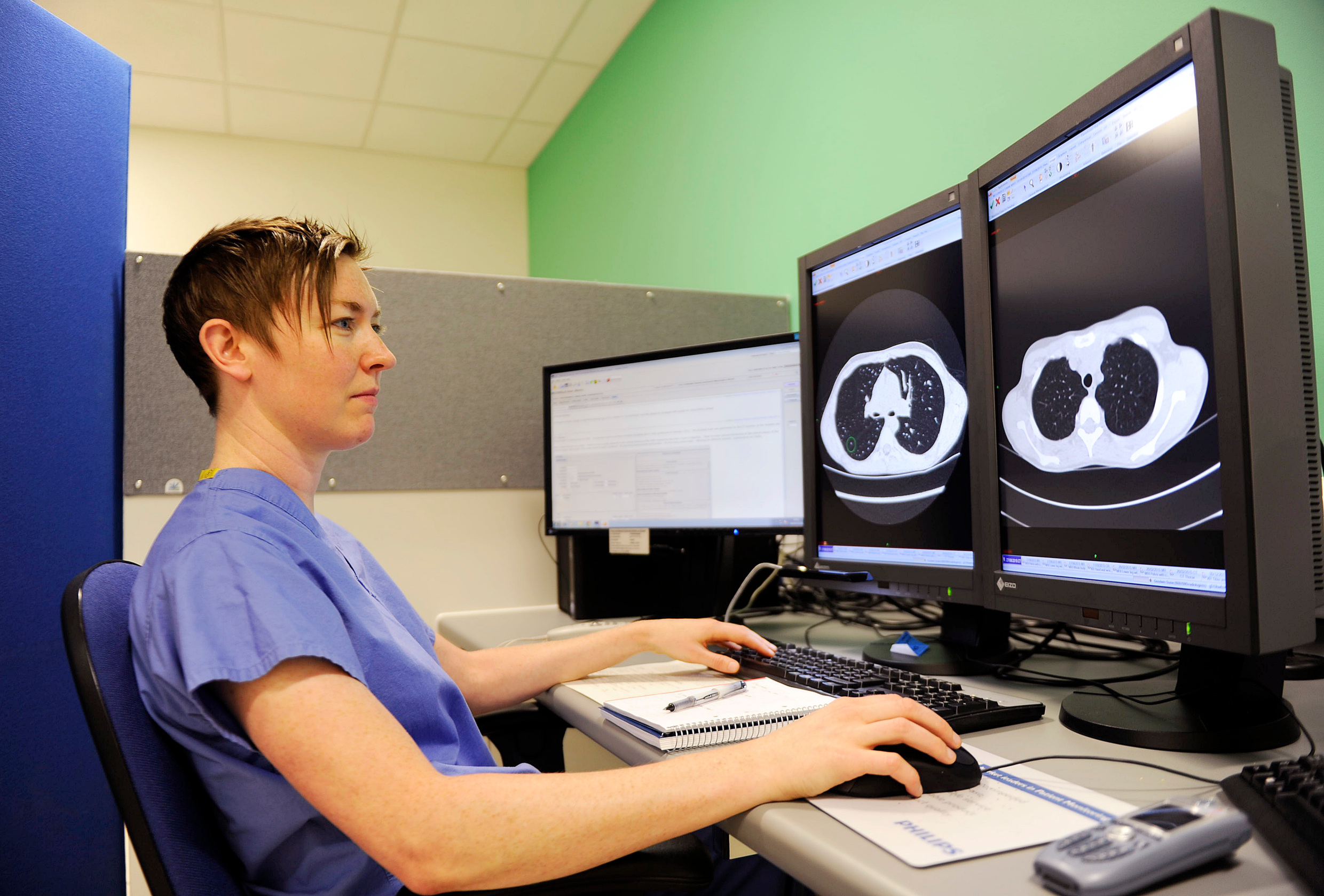
Rapid Cancer Diagnostics Services helps thousands of patients get earlier diagnosis
New national figures show that Scotland’s Rapid Cancer Diagnostic Services (RCDSs) are continuing to make a real difference for patients, providing earlier diagnoses for people with non-specific symptoms such as weight loss and fatigue.
The first annual report from Public Health Scotland (PHS) shows that more than 3,400 patients were referred to one of the 5 RCDSs live in Scotland in 2024. Almost 1 in 10 of those patients were diagnosed with cancer (9.3%), in line with similar services across the UK.
For patients diagnosed with cancer through a RCDS, the average time from referral to diagnosis was just 15 days. For patients who did not receive a cancer diagnosis, the average time from referral to outcome was 25 days.
RCDSs give GPs a fast-track route to refer patients with non-specific but concerning symptoms, such as unexplained weight loss, fatigue or persistent pain. As these symptoms do not clearly point to a single type of cancer, or other condition, patients often experience a delayed diagnosis.
Led by the Centre for Sustainable Delivery (CfSD) and commissioned by the Scottish Government’s Detect Cancer Earlier Programme, Rapid Cancer Diagnostic Services were designed to address a gap in traditional site-specific cancer pathways. They bring together coordinated assessment, clear communication and faster access to tests and onward treatment. The most common cancers detected through the service are lung, lymphoma and colorectal cancers.
There are now currently 6 RCDSs operating across NHS Fife, NHS Dumfries & Galloway, NHS Ayrshire & Arran, NHS Lanarkshire, NHS Borders and NHS Forth Valley.
Health Secretary Neil Gray said:
"Rapid Cancer Diagnostic Services are transforming the experience of thousands of patients across Scotland who are living with the worry of unexplained symptoms. Getting answers quickly can make an enormous difference, and it is fantastic to see these services delivering exactly that - fast, compassionate care at a time when people need it most.
"I want to pay tribute to the dedicated teams working across our Rapid Cancer Diagnostic Services. Their commitment to patients shines through in the feedback we are hearing, and Scotland's NHS is lucky to have them.
"As we work to ensure excellent cancer care is available to everyone, I look forward to seeing how these services can be developed and reach even more patients across the country."
Ross MacDuff, Joint National Clinical Lead for Earlier Cancer Diagnosis at the Centre for Sustainable Delivery, said: “The evidence continues to show that Rapid Cancer Diagnostic Services are doing what they set out to do – find cancer, at pace.
“The services allow GPs to act on their clinical concern, giving them a single place to refer to.
Positive patient experience is overwhelming, with RCDS navigators ensuring clear communication and shared decision-making from the point of referral.”
With Scotland’s Cancer Strategy aim to reduce health inequalities, over a quarter of RCDS patients referred were from the most deprived areas.
The findings build on earlier evaluation work by the University of Strathclyde in 2024, which found that the RCDS model reduces patient anxiety, avoids unnecessary referrals and helps people access care more quickly.
One patient said: “I was triaged by an exceptionally caring nurse specialist who guided me through every step. The service was professional, fast and kind, it made a very anxious time easier.”
Another added: “I was very anxious about the appointment, but the team’s warm and professional approach soon put me at ease.
“They listened carefully and took time to explain everything. More GPs and patients should know about this service.”
This work forms part of CfSD’s ongoing commitment to delivering innovative and sustainable services that meet patients’ needs now and in the future.
Read the full RCDS Annual Report: Rapid Cancer Diagnostic Service: Information to Support Visions from the Cancer Strategy 01 January - 31 December 2024